📍 Yucatán, Mexico

Chichen Itza: Ancient Wonder of the Maya World

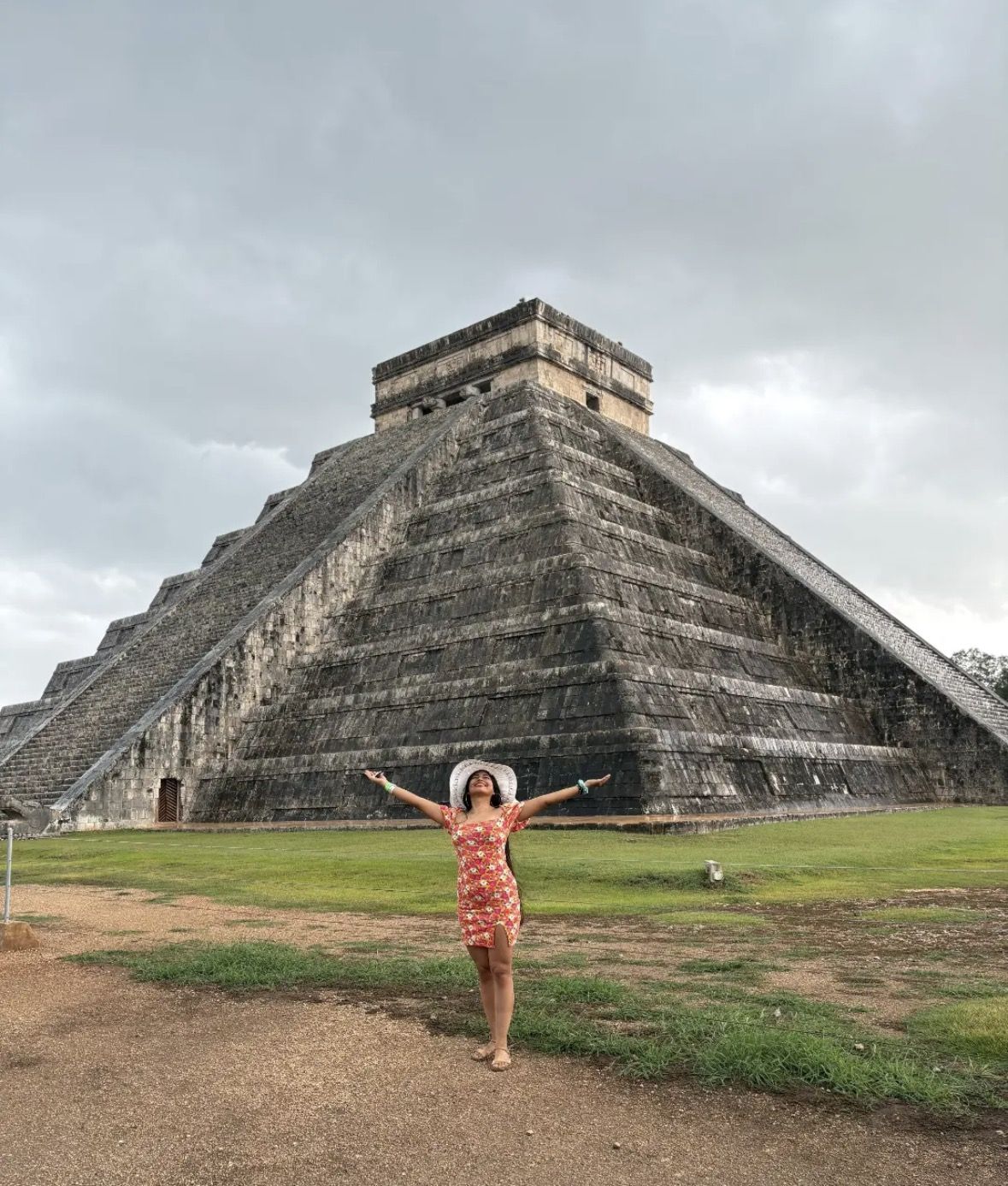
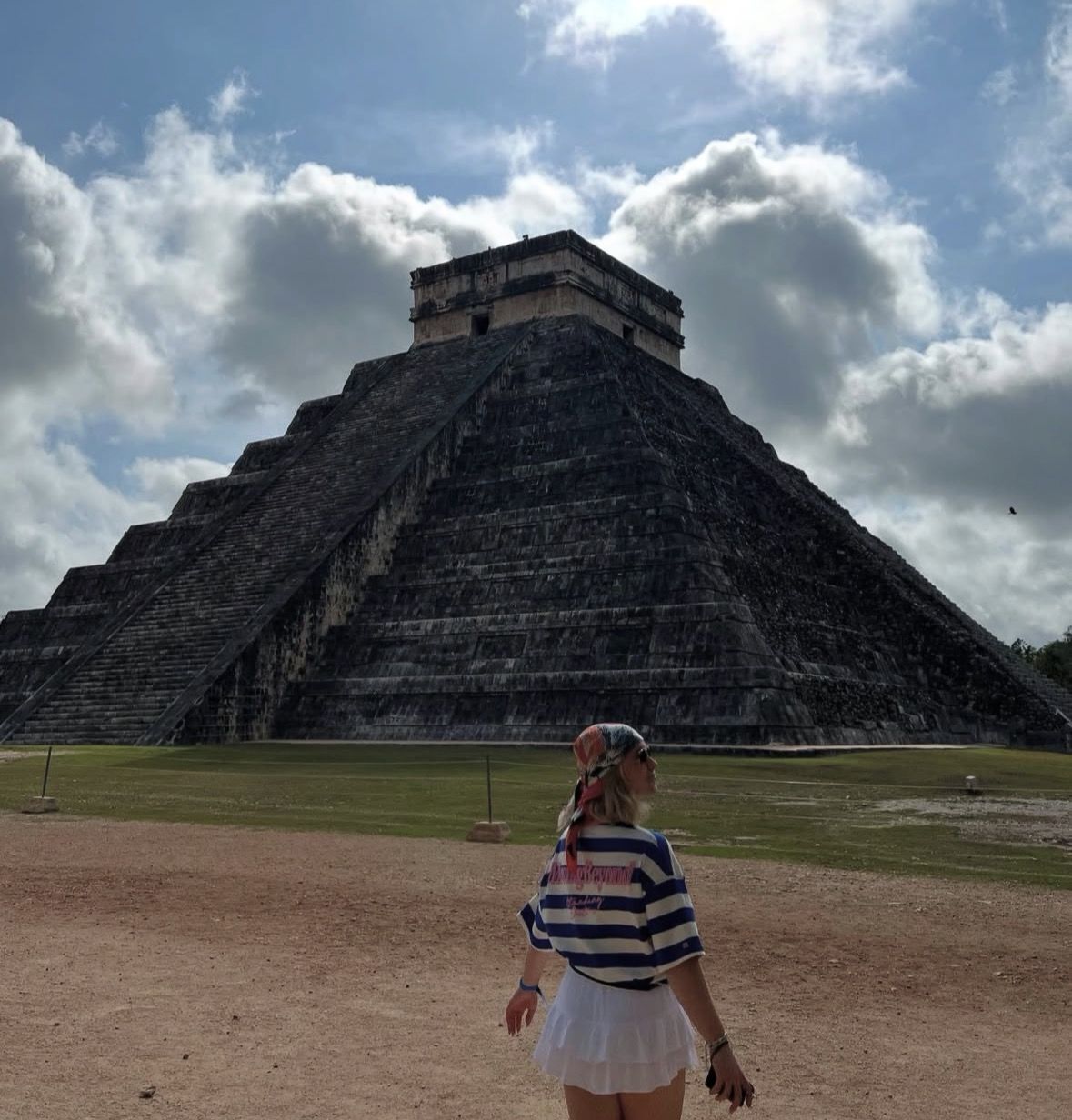
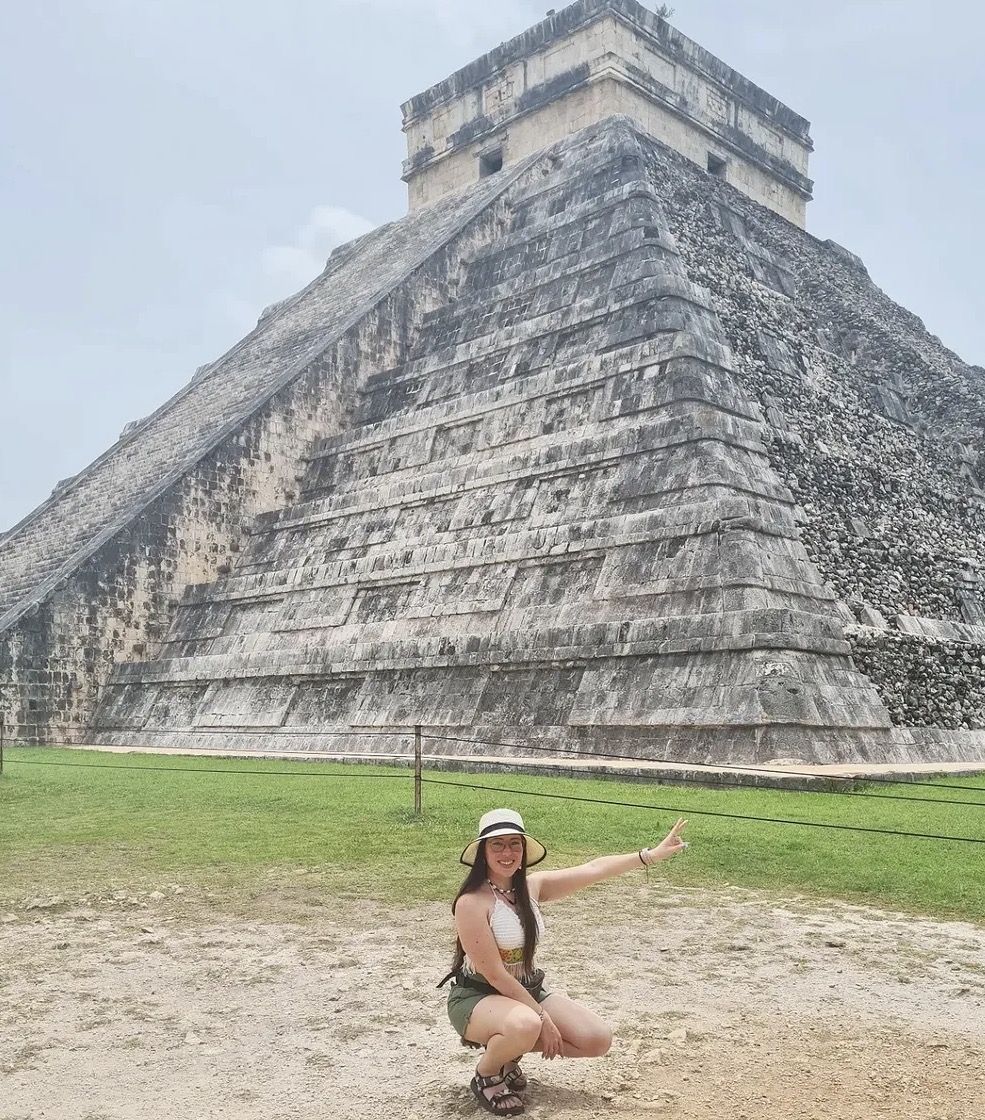
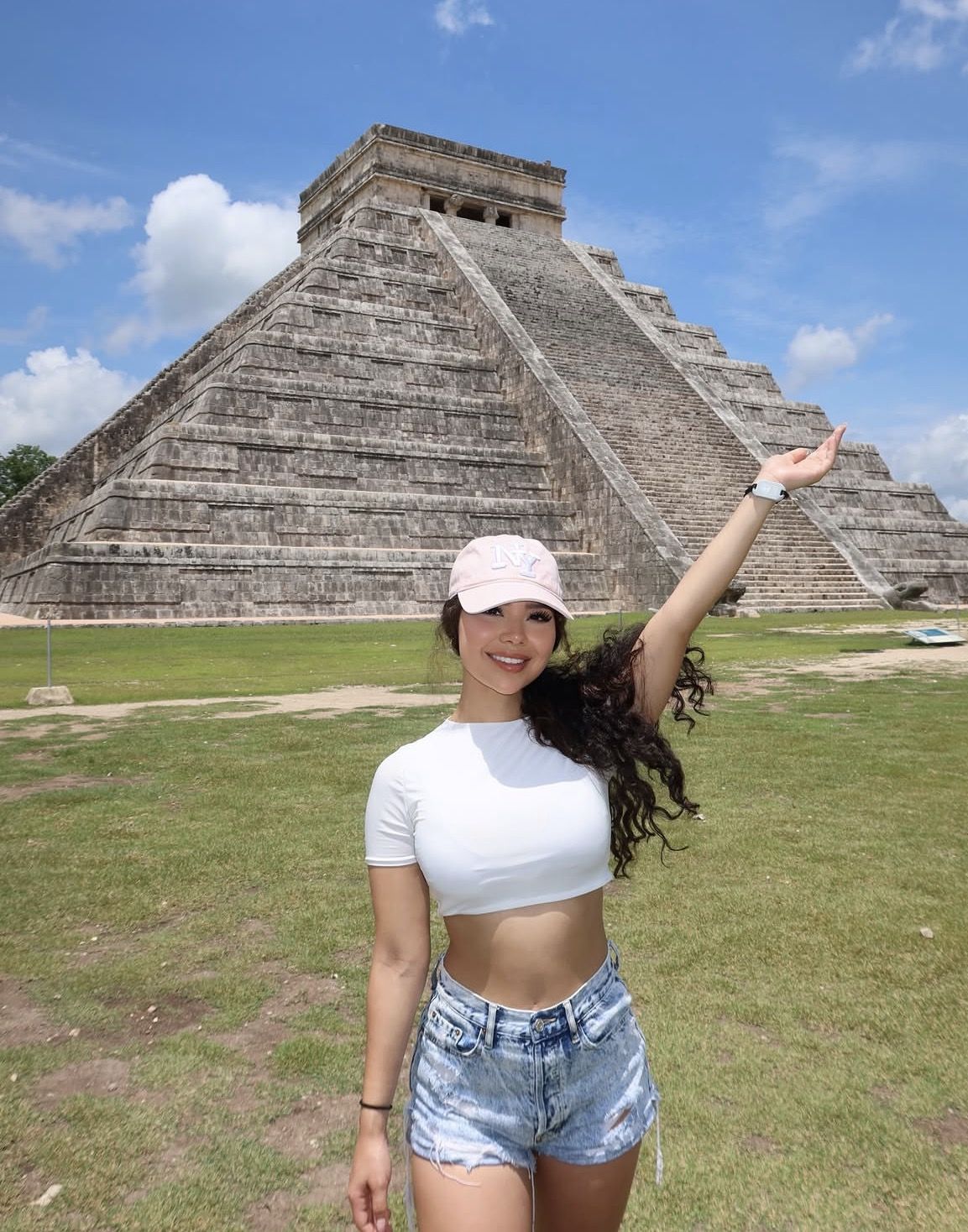
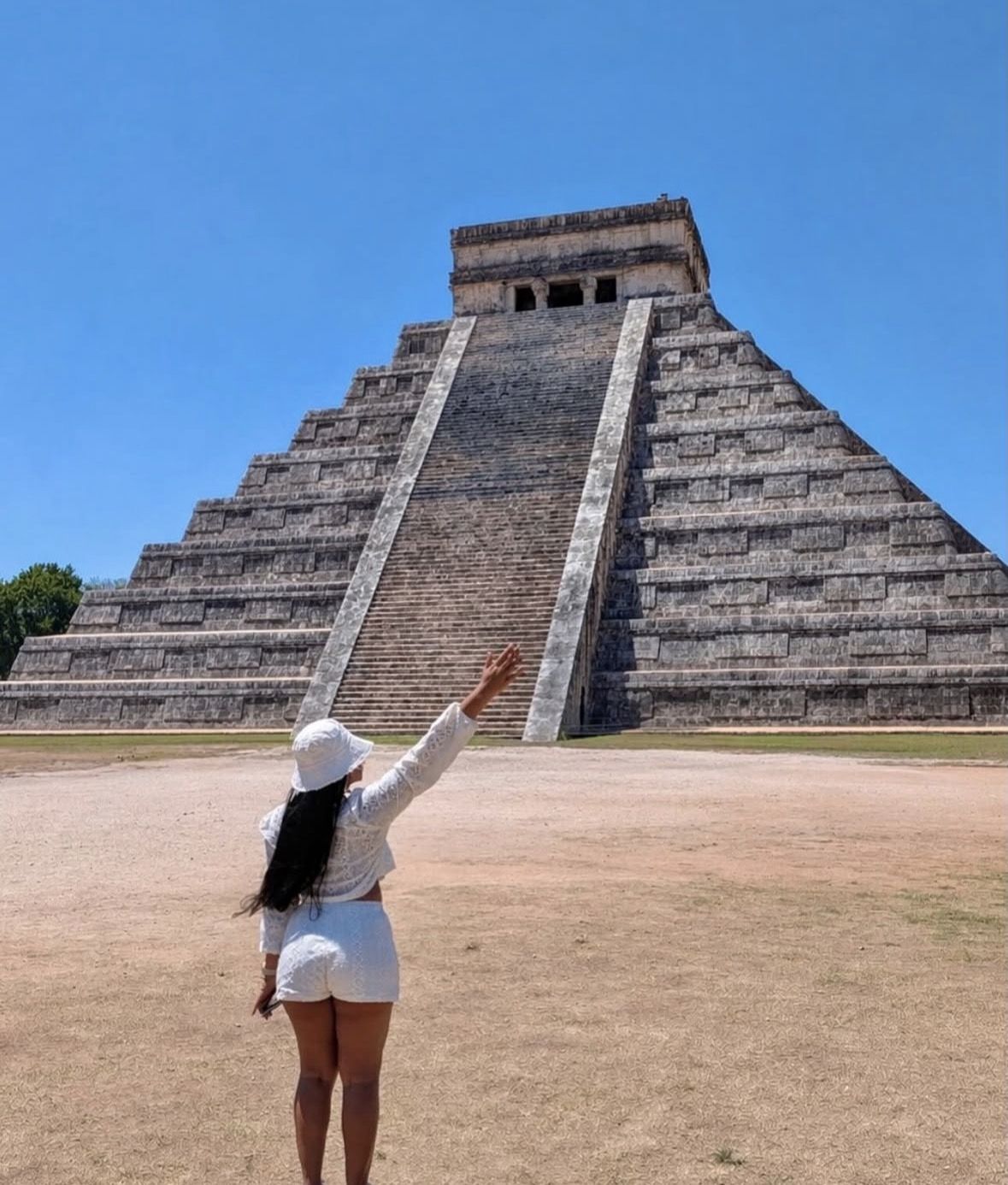
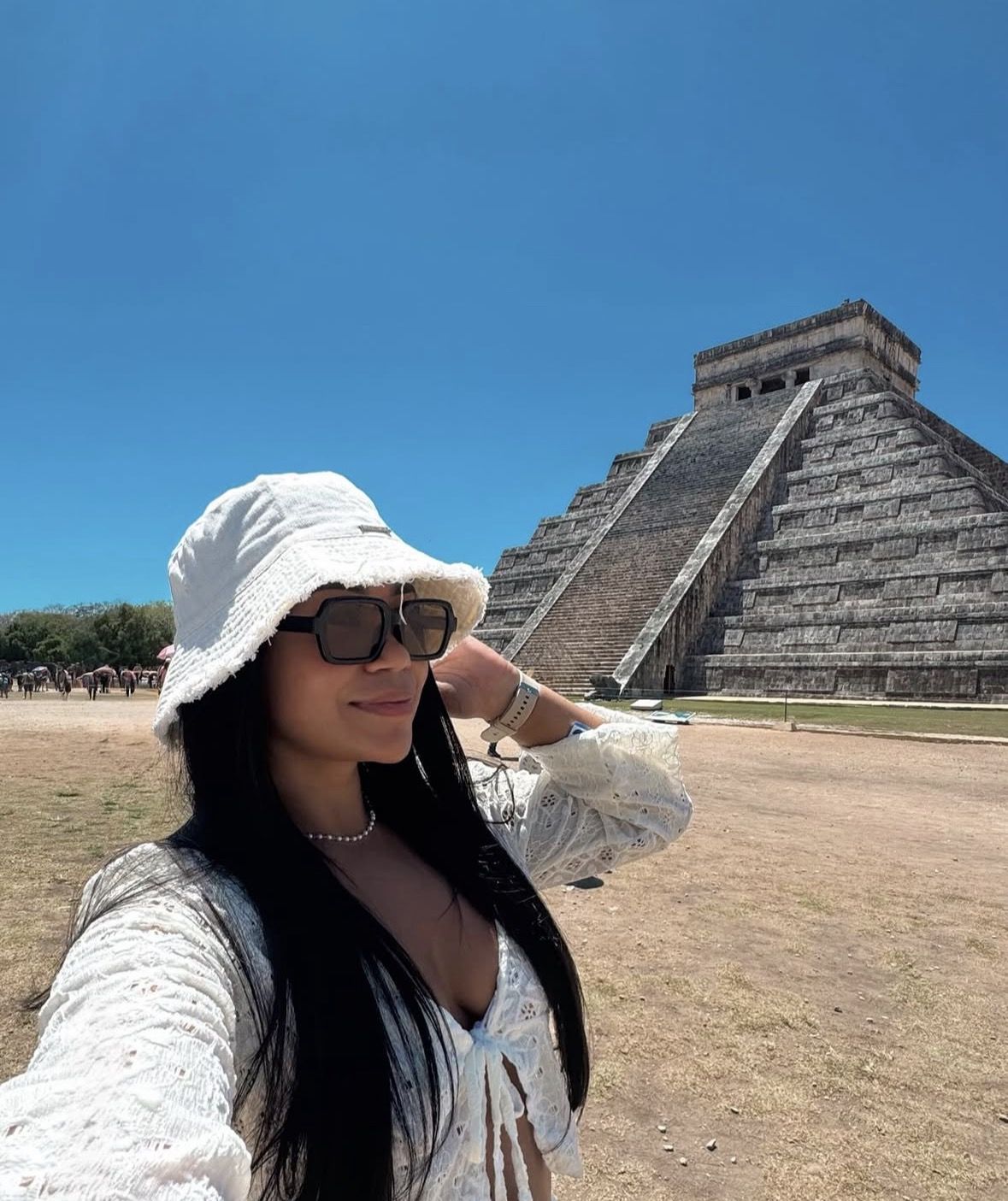
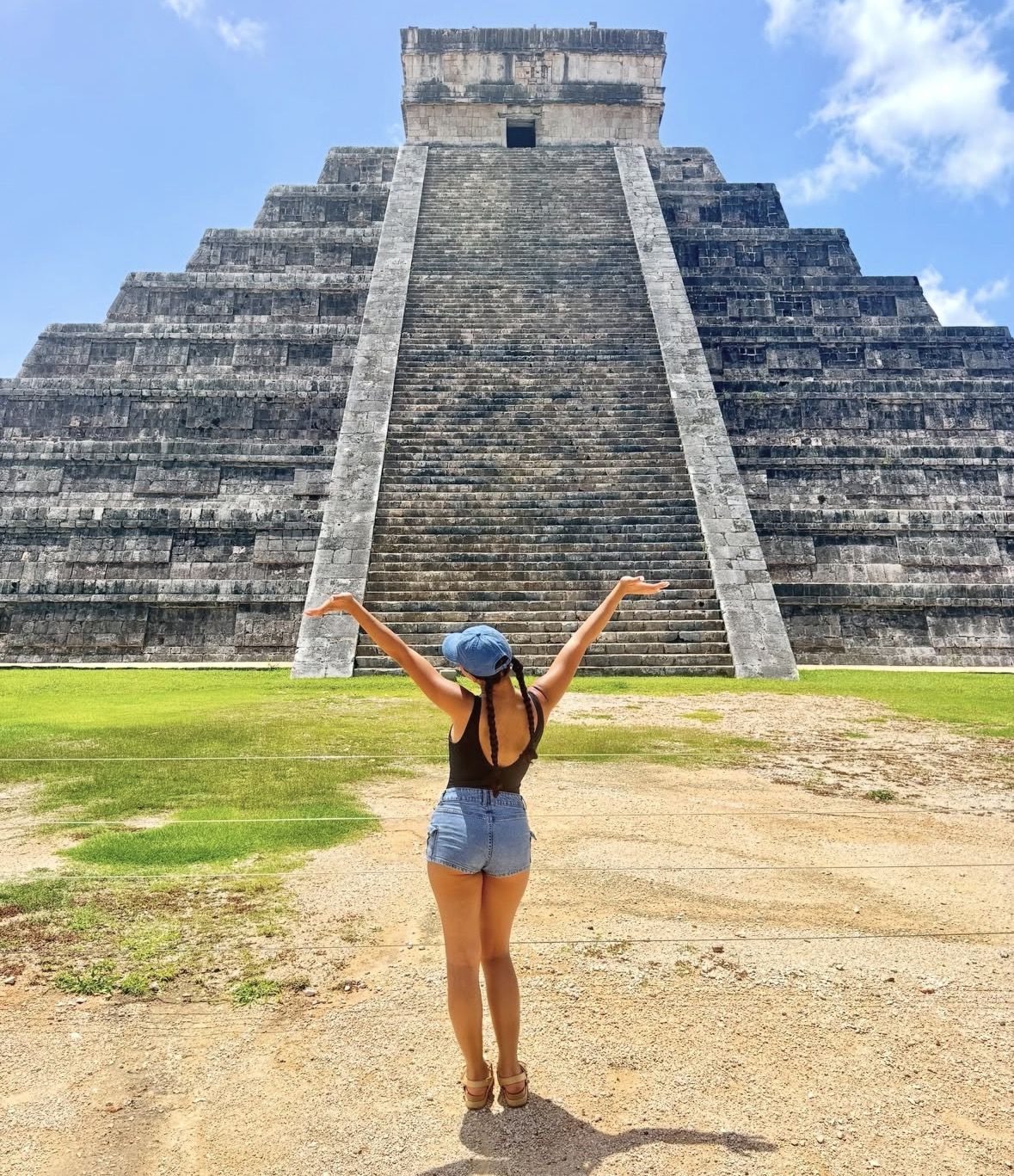
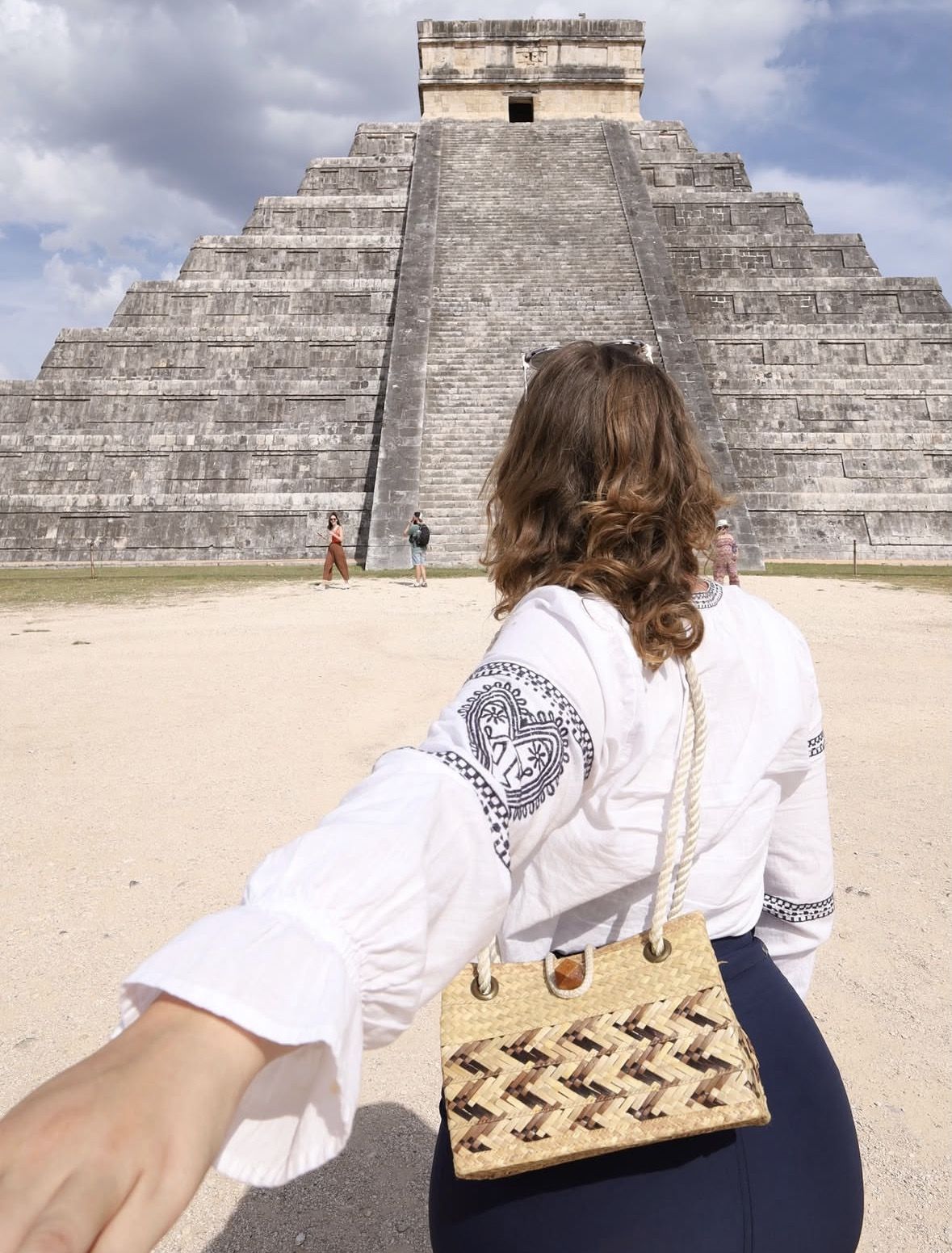
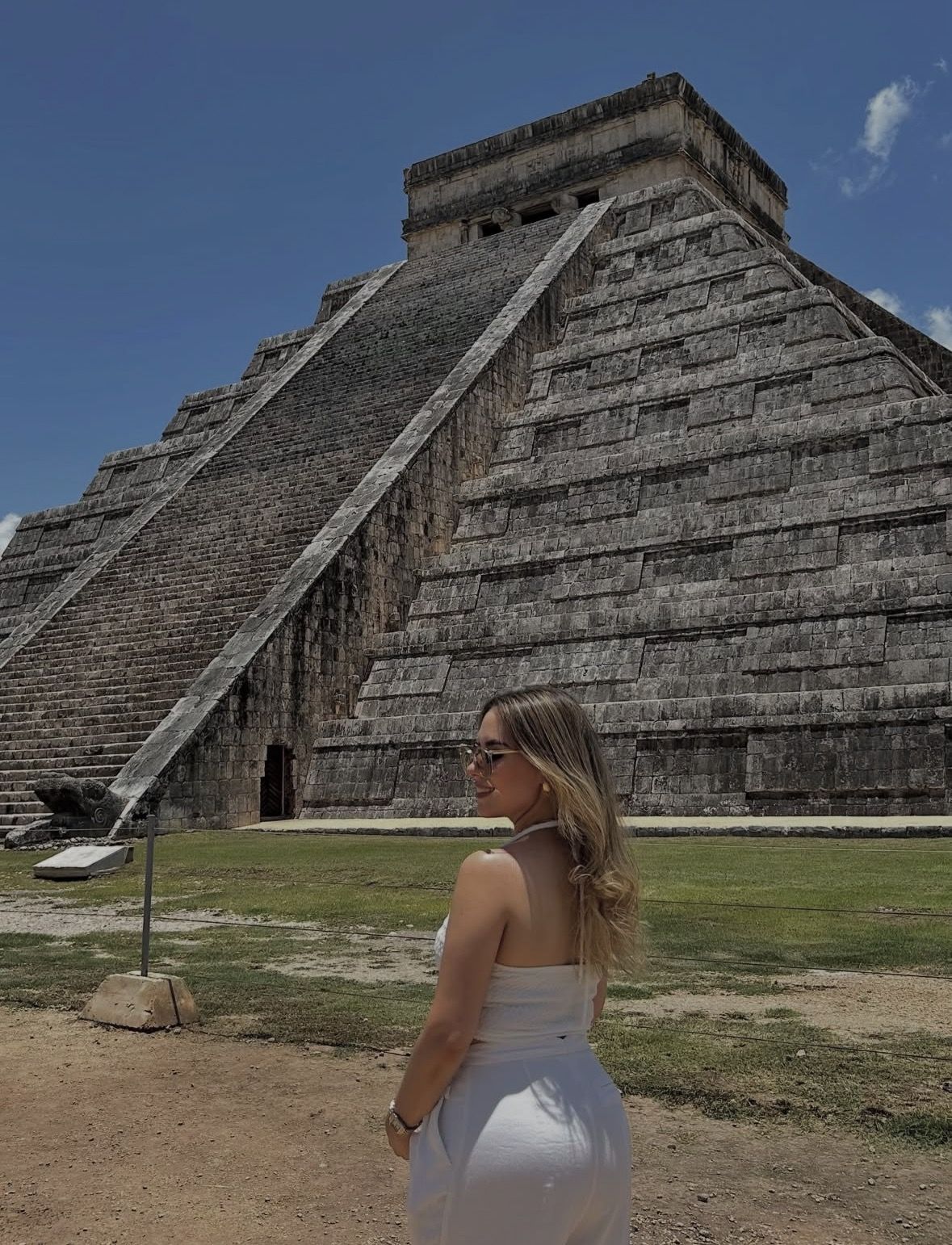
Rising from the jungle floor of Mexico's Yucatán Peninsula, this extraordinary archaeological site has captivated explorers, historians, and travellers for centuries. Whether you're joining a cancun chichen itza tour or arriving independently, no trip to Mexico is truly complete without standing before El Castillo.

Your Ultimate Yucatan Day Trip Awaits

The Chichen Itza, Cenote, and Valladolid Tour is a perfectly curated full-day experience that combines the Yucatan Peninsula's most iconic landmarks. Start with a comfortable hotel pickup from Cancun or the Riviera Maya, then arrive at the legendary archaeological site to stand before the awe-inspiring step pyramid of Kukulcan. Watch the incredible interplay of light and shadow that made this monument a UNESCO World Heritage Site. Afterward, cool off in a sacred cenote — a natural sinkhole revered by the ancient Maya — before enjoying a generous buffet lunch and a leisurely stroll through the charming colonial city of Valladolid.

  • Marvel at the iconic El Castillo pyramid at Chichen Itza
  • Swim or wade in a mystical sacred cenote
  • Enjoy a hearty buffet lunch included in your tour
  • Explore the vibrant colonial streets of Valladolid
  • Convenient hotel pickup from Cancun or the Riviera Maya
Book Now
⭐ Top Rated Chichen Itza, Cenote, and Valladolid Tour

Discovering the Heart of the Yucatán Peninsula

Located roughly midway across the Yucatán Peninsula, this ancient Mayan city sits within comfortable reach of Mexico's most popular resort destinations. Its central position makes it the ideal anchor for a chichen itza day tour from virtually anywhere along the Riviera Maya.

The archaeological zone sits near the modern town of Pisté, in the state of Yucatán, approximately 200 km west of Cancún and 170 km from Playa del Carmen. The site spans roughly 10 square kilometres of cleared jungle, with dozens of restored structures spread across an open landscape. Its accessibility via Highway 180 makes it straightforward to reach by bus, rental car, or organized excursion — a key reason it remains Mexico's most visited pre-Columbian ruin, welcoming over two million visitors annually.

Established between roughly 600 and 900 CE, the city rose to regional dominance during the Terminal Classic and Early Postclassic periods, drawing inhabitants and influence from across Mesoamerica. Its name translates loosely to 'at the mouth of the well of the Itza people,' referencing the sacred cenotes that sustained the settlement. At its height, the city was a powerhouse of politics, trade, astronomy, and religion — a multicultural hub whose architectural sophistication continues to astonish scholars and visitors alike.

Today, a chichen itza tour from riviera maya or beyond typically includes entry to the main archaeological zone, where paved pathways wind between iconic structures. Guides illuminate the astronomical genius embedded in El Castillo's design, explain the ritual significance of the Great Ball Court, and unpack the eerie legends surrounding the Sacred Cenote. Many visitors pair the ruins with a swim in a nearby cenote and a stop in Valladolid, making for an immensely rewarding full-day adventure through Yucatán's layered cultural landscape.
📅
Opening Hours 8:00 AM – 5:00 PM daily
🎟️
Entry Fee ~$533 MXN (federal) + state fee
🏛️
Site Area ~10 km²
🌍
UNESCO Status World Heritage Site since 1988
📍
Distance from Cancún ~200 km (approx. 2.5 hrs)
👥
Annual Visitors Over 2 million
🏆
Top 7
New Seven Wonders of the World

In 2007, El Castillo at the heart of the site was voted one of the New Seven Wonders of the World by over 100 million global participants. This recognition cemented its status as one of humanity's greatest architectural achievements.

🔭
365
Solar Calendar Alignment

El Castillo's design encodes the solar year with extraordinary precision — each of its four stairways has 91 steps, totalling 364, plus the top platform equals 365. Twice a year at the equinoxes, a serpent of light and shadow descends the northern staircase.

13
Ball Courts on Site

The Great Ball Court is the largest known Mesoamerican ball court ever discovered, stretching 168 metres in length. The acoustic properties are so remarkable that a whisper at one end can be heard clearly at the other, nearly 70 metres away.

💧
2
Sacred Cenotes

Two major natural sinkholes exist within the archaeological zone, most famously the Sacred Cenote (Cenote Sagrado), where ritual offerings of gold, jade, pottery, and human remains have been recovered. These wells were central to Mayan religious practice and the city's water supply.

🌐
1988
UNESCO World Heritage Site

UNESCO recognized the site in 1988, citing its outstanding universal value as a testament to Mayan and Toltec civilizations. The designation protects both the structures and the surrounding landscape from development and degradation.

🐍
~1,000
Years of Continuous Use

Unlike many ancient sites abandoned after a single era, this city was inhabited and modified across multiple cultural periods spanning roughly 600 CE to the Spanish conquest in the 16th century. Its layered history reflects centuries of evolving Maya and outside influence.

🌅

Early Morning & Sunrise Access

Booking a chichen itza early morning tour is the single best way to experience the site without oppressive heat or shoulder-to-shoulder crowds. Arriving at or just after opening, guests often have the grand plaza nearly to themselves, ideal for photography and quiet reflection.

🏛️

Expert-Guided Archaeological Exploration

A certified guide unlocks layers of meaning invisible to the untrained eye — from hidden astronomical alignments to carved glyphs that recount royal histories. A chichen itza deluxe tour typically pairs a bilingual expert with premium transport and priority entry for a polished experience.

💧

Cenote Swimming

Pairing the ruins with a dip in a nearby cenote is enormously popular and well deserved. The crystal-clear, cool waters of cenotes like Ik Kil or Hubiku make the perfect reward after hours of exploring sun-drenched stone pathways — a cornerstone of the chichen itza and cenote tour experience.

🏙️

Colonial Valladolid Day Trip

Valladolid, just 40 km east, is one of the Yucatán's most beautiful colonial cities, with pastel facades, a stunning main square, and a cenote right in the city centre. A chichen itza cenote and valladolid tour typically includes a leisurely lunch and a stroll through its colourful streets.

📸

Equinox Light & Shadow Show

During the spring and autumn equinoxes (around March 20–21 and September 21–22), thousands gather to witness the serpent of light descend El Castillo's staircase — a masterpiece of Mayan astronomical engineering and one of the world's most spectacular natural spectacles.

🍽️

Local Yucatecan Cuisine

Many organized tours include a buffet lunch featuring authentic Yucatecan dishes such as cochinita pibil, sopa de lima, and poc chuc. Stopping in Valladolid or nearby towns also gives travellers a chance to sample freshly made marquesitas and other regional street foods.

How Chichen Itza Compares to Similar Maya Destinations

Weighing your options across the Yucatán's ancient wonders to choose the right experience for you.

Travellers exploring Mexico's Yucatán Peninsula often find themselves choosing between several remarkable pre-Columbian sites, each with a distinct character, crowd level, and logistical footprint. Chichen Itza is the undisputed headline act, but destinations like Tulum, Cobá, and Uxmal each offer compelling reasons to visit. This comparison helps you understand the trade-offs — whether you prioritise iconic architecture, a quieter atmosphere, jungle adventure, or sheer historical grandeur — so you can build the itinerary that truly matches your travel style.

CrowdsPriceBest ForWhat Sets It Apart
★ Chichen ItzaVery High (peak hours)Moderate entry fee + tourFirst-time visitors, history loversNew Seven Wonders status; El Castillo's equinox phenomenon
Tulum RuinsHigh (coastal location)Low entry feeBeach + ruins combo seekersClifftop ocean views; swim-ready beach directly below
CobáModerateLow-moderateActive, adventure-focused travellersClimbable jungle pyramid; cycling through dense forest
UxmalLowModerateArchaeology enthusiasts, photographersPuuc architectural style; far fewer crowds; stunning detail

While Tulum dazzles with its Caribbean backdrop and Cobá rewards the adventurous with a climbable pyramid, neither commands the sheer historical weight and global recognition of Chichen Itza. Uxmal offers intimacy and architectural refinement for the dedicated enthusiast. But for travellers seeking a single, transformative encounter with the ancient Maya world — one recognised universally as among humanity's greatest achievements — nothing else on the peninsula quite measures up.

Chichen Itza Everything You Need to Know

Everything you need to know to plan a seamless, memorable visit to this iconic Mayan site.

Getting to the Ancient Site: Transport & Access

The site is accessible from multiple departure points along Mexico's Caribbean coast. A cancun chichen itza tour typically takes around 2.5 hours each way by road via Highway 180 or the faster toll expressway (cuota). Those based further south can join a chichen itza tour from playa del carmen (approximately 2 hours) or a chichen itza tour from tulum (around 2.5 hours). Cozumel visitors cross by ferry to Playa del Carmen before boarding their excursion for a chichen itza tour from cozumel.

Once at the archaeological zone, the entire site is explored on foot along clearly marked pathways. The main entrance area has parking, restrooms, a visitor centre, souvenir markets, and food stalls. There is no internal shuttle — comfortable walking shoes are essential. Most organized tours drop guests at the main entrance and arrange a fixed meeting point for the return journey, making navigation entirely stress-free even for first-time visitors.

  • 🚐 Organized tour buses depart daily from Cancún, Playa del Carmen, Tulum, and Cozumel (ferry + bus)
  • 🚗 Rental car via Highway 180 cuota (toll road) — fastest and most flexible self-drive option
  • 🚌 ADO first-class buses operate from Cancún and Mérida bus terminals directly to the site
  • 🛥️ Cozumel visitors: ferry to Playa del Carmen, then join a group or private tour transfer
  • 🏍️ Colectivo shared vans connect Valladolid town to the site for a budget-friendly local option
  • 🚖 Private transfers from any Riviera Maya hotel offer door-to-door convenience
  • 🅿️ Large paid car park available at the main entrance for self-driving visitors
Tour bus and private vehicles arriving at the Chichen Itza archaeological zone entrance

Best Time to Visit: Seasons, Weather & Crowds

The cooler, drier months from November through February offer the most comfortable conditions for exploring the open-air site, with temperatures ranging from 22–28°C and lower humidity. December and January also bring fewer crowds than peak summer. March and April see the famous equinox events, drawing enormous visitor numbers but offering a once-in-a-lifetime spectacle. Weekday visits any time of year are notably quieter than weekends, and an early morning tour arrival dramatically reduces crowd exposure.

The Yucatán's rainy season runs June through October, bringing afternoon downpours that cool temperatures but can make stone paths slippery. August and September carry hurricane risk to the broader region, though the inland site itself is rarely severely affected. The hottest, most humid months — May through August — can push midday temperatures beyond 38°C in the open plazas. A chichen itza half day from cancun departing at dawn sidesteps the worst of the midday heat during summer visits.

  • ✅ Nov–Feb: best overall — cooler, drier, manageable crowds; ideal for comfortable exploration
  • 🌅 Mar–Apr: equinox season — spectacular light shows but very high visitor numbers; book tours early
  • ☀️ May–Jun: hot and increasingly humid; arrive at opening and plan to leave by noon
  • 🌧️ Jul–Oct: rainy season; lush jungle scenery but afternoon showers and high humidity
  • 📅 Weekdays are significantly quieter than Saturdays and Sundays year-round
  • 🕗 Gates open at 8:00 AM — arriving at opening is the single best crowd-avoidance strategy
  • 🎆 Major Mexican public holidays (Nov 1–2, Dec 12) attract very large domestic visitor crowds
El Castillo pyramid bathed in early morning golden light with a nearly empty plaza during low season

What to Pack for a Comfortable Day at the Ruins

The site offers very little shade across its main plaza, so sun protection is non-negotiable. Pack high-SPF sunscreen (reef-safe is recommended if you plan a cenote swim afterward), a wide-brimmed hat, and UV-protective sunglasses. A lightweight reusable water bottle is essential — dehydration is a genuine risk in the heat. Many visitors on a chichen itza cenote and valladolid tour also pack a swimsuit and small towel for the cenote portion of their day.

Footwear matters enormously: wear closed-toe, rubber-soled shoes with solid ankle support, as stone surfaces can be uneven and slippery after rain. Lightweight, breathable, light-coloured clothing is ideal to reflect heat. A small daypack keeps hands free for photography. Insect repellent is advisable, particularly if visiting during the rainy season when mosquitoes are active at the jungle edges surrounding the cleared archaeological zone.

  • 🧴 High-SPF reef-safe sunscreen — reapply every 90 minutes in direct sun
  • 🧢 Wide-brimmed hat or cap — shade is extremely limited in the main plazas
  • 💧 1.5–2 litre reusable water bottle — stay hydrated throughout the visit
  • 👟 Closed-toe rubber-soled shoes with good grip — stone pathways can be slippery
  • 🩱 Swimsuit and quick-dry towel if your itinerary includes a cenote swim
  • 🦟 Insect repellent — especially important May through October at jungle edges
  • 📷 Camera or smartphone with extra battery/portable charger for photographs
  • 💊 Basic first-aid kit: blister plasters, pain relief, antihistamines, rehydration sachets
Essential packing items laid out for a Chichen Itza day tour including sunscreen, hat, and water bottle

Local Tips & Insider Advice for Your Visit

Vendors line the paths between structures and can be persistent — a polite but firm 'no, gracias' is universally respected. Climbing El Castillo and most major structures is now permanently prohibited to protect the stones, so do not attempt it. Photography is freely permitted throughout the site (no tripods allowed). Tipping your guide at the end of a private chichen itza tour or group excursion is customary and greatly appreciated — 100–200 MXN per person is a reasonable gesture.

The Mexican peso is the only currency accepted by on-site vendors, though your tour operator will typically handle entry fees. ATMs are available in Pisté and Valladolid, so withdraw cash before arriving. Lunch is usually taken in Pisté or Valladolid — ask your guide for recommendations beyond the tourist-oriented buffets. If your tour includes free time, the Sacred Cenote path and the Group of a Thousand Columns are often less congested than the main pyramid area.

  • 💬 Learn a few Spanish phrases — vendors and locals genuinely appreciate the effort
  • 🚫 Do not attempt to climb any structure — it is prohibited and carries heavy fines
  • 💵 Carry Mexican pesos in cash for vendors, tips, and small purchases on site
  • 🧭 Start your walk toward the Temple of the Warriors and Ball Court first — crowds build later
  • 📵 Keep valuables secure; use a money belt or zipped inner pocket in busy areas
  • 🍽️ Ask your guide for authentic local restaurant tips in Valladolid beyond standard buffets
  • 🤫 Speak quietly near structures — the acoustic properties carry sound surprisingly far
Friendly local guide explaining Mayan carvings to tourists at the Ball Court in the archaeological zone

Health & Safety: Staying Well During Your Visit

Heat exhaustion and sunstroke are the most common health issues reported at this open-air site, particularly in the summer months. Drink water continuously — at least 500 ml per hour in peak heat — and seek shade at the jungle edges or under trees between structures. No specific vaccinations are required beyond standard travel immunisations, though travellers entering Mexico from certain regions should confirm hepatitis A and typhoid shots are up to date with their GP before departing.

The site and its surrounding area are generally very safe for tourists. Stick to your tour group and agreed meeting points, and avoid wandering into unsanctioned jungle areas beyond the marked paths. Emergency services are available at the entrance, and most organized tours carry a first-aid kit. If swimming in a cenote after your visit, check operator safety ratings — reputable chichen itza and cenote tour providers supply life vests and have trained staff on site at all times.

  • ☀️ Heat is the primary hazard — hydrate constantly and take shade breaks every 30–45 minutes
  • 🚑 First-aid personnel are stationed near the site entrance during opening hours
  • 💧 Drink only bottled or purified water — tap water is not safe for travellers
  • 🦺 Cenote swimming: only use operators who provide life vests and have trained safety staff
  • 🩺 Consult your GP about hepatitis A, typhoid, and routine travel vaccinations before departure
  • 🐍 Stay on marked paths — wildlife including snakes can be present in jungle border areas
  • 📞 Mexico emergency number: 911 — works nationwide for police, fire, and ambulance
Tourists resting in shade with water bottles during a guided tour at the ancient Maya archaeological site

All Tours

Extend your adventure beyond the ruins with these incredible nearby destinations, all easily combined into a single day or multi-day Yucatán itinerary.

Chichen Itza What Visitors Are Saying

Thousands of travelers have made Chichen Itza a highlight of their Yucatán adventure — here's what they had to say.

★★★★★

"Booking the early morning tour was the single best decision we made on our entire Mexico trip. We arrived before the main crowds and had El Castillo almost to ourselves for a magical hour. Our guide was incredibly knowledgeable about Mayan astronomy and the equinox phenomenon, bringing every stone to life with fascinating stories. The cenote swim afterward was the perfect refreshing reward after walking the ruins in the rising heat."

SM
Sarah M.March 2025
★★★★★

"We opted for the private tour from Cancun and it was worth every peso. Our driver picked us up directly from our hotel at 6 a.m. and we had a dedicated archaeologist guide exclusively for our family of five. The level of detail we received about the Ball Court and the Temple of Warriors simply wouldn't have been possible in a large group setting. I can't recommend this style of visit highly enough for anyone who truly wants to absorb the history."

JT
James T.January 2025
★★★★☆

"We joined the cenote and Valladolid tour, which combined the archaeological site with a swim in a gorgeous underground cenote and lunch in the charming colonial city. It was a genuinely full and rewarding day, though I'd suggest packing plenty of sunscreen as the midday sun at the ruins is intense. The colorful markets of Valladolid were a lovely way to end the afternoon before heading back. One less star only because the bus ride from Playa del Carmen is long — come prepared with snacks."

CB
Claire B.February 2025
★★★★★

"Coming from Cozumel we took the ferry to Playa del Carmen and joined a group day tour, and the logistics were handled seamlessly from start to finish. Our guide spoke flawless English and Spanish and kept everyone engaged throughout the two-hour walkthrough of the site. Standing in front of the pyramid as our guide explained how the shadows create the famous serpent effect at equinox gave me genuine goosebumps. This is one of those rare experiences that genuinely lives up to the hype."

MR
Marco R.April 2025
★★★★★

"The deluxe tour we booked included hotel pickup, a gourmet buffet lunch, and priority entrance to the site before general admission opened. Walking through the ancient city in that hushed early morning light felt almost spiritual. Our guide paused at each major structure and gave us ample time for photos without feeling rushed. If you're debating whether to splurge on the deluxe experience, stop debating — it is absolutely worth it."

EK
Emily K.December 2024
★★★★☆

"We did the half-day tour from Cancun, departing at 5:30 a.m. and returning by early afternoon, which worked perfectly around our other vacation plans. The sunrise over the pyramid was breathtaking and our guide was passionate and thorough. I'd have given five stars but the gift shop area inside the complex felt a bit overwhelming with persistent vendors. Still, the historical experience itself was completely unforgettable and I would recommend it without hesitation."

DL
David L.November 2024
★★★★★

"We traveled from Tulum and were pleasantly surprised by how smooth and comfortable the journey was — our tour company handled everything including a stop at a roadside hacienda for coffee. The early access tour meant we walked the grand causeway before the midday crowds transformed the atmosphere completely. Seeing the Observatory, the Sacred Cenote, and El Castillo all in one morning without battling thousands of tourists was genuinely extraordinary. A perfectly organized, deeply memorable experience."

AS
Anna S.February 2025
★★★★★

"This was the absolute highlight of our Riviera Maya holiday and I've been recommending it to every friend and colleague since returning home. Our knowledgeable guide explained how the site served as a political, religious, and astronomical center for the ancient Maya, and suddenly every structure took on a whole new meaning. The combination of history, architecture, and sheer scale is unlike anything I've experienced anywhere in the world. Do not skip this — it is truly one of humanity's great achievements."

PN
Priya N.March 2025

Watch Chichen Itza Come Alive

Get a breathtaking preview of El Castillo, the sacred cenotes, and the ancient plazas before you arrive.

Video thumbnail showing aerial view of El Castillo pyramid and the main archaeological zone

Find Chichen Itza

The archaeological zone is located off Highway 180, near the town of Pisté, Tinúm Municipality, Yucatán State, Mexico — approximately 200 km west of Cancún.

Chichen Itza Frequently Asked Questions

Everything you need to know before you visit — from ticket prices and opening hours to the best tours and packing tips.

The site is open daily from 8:00 a.m. to 5:00 p.m., with the last entry permitted at 4:00 p.m. The general admission fee is approximately 571 Mexican pesos for access to the federal zone, with an additional state entrance fee charged separately. Children under 13 and Mexican nationals with valid ID are entitled to discounted or free entry. It's always worth checking the official INAH website before your visit as prices are subject to periodic updates.
The journey from Cancun takes roughly two to two-and-a-half hours by road, covering approximately 200 kilometers along well-maintained toll highways. The most convenient option for most visitors is a guided day tour that includes hotel pickup, transport, and a professional guide — removing all the stress of navigating independently. ADO buses also run scheduled services from Cancun's bus terminal if you prefer independent travel. Renting a car is another popular choice that gives you full flexibility over your schedule.
Arriving as early as possible — ideally within the first hour of opening — makes an enormous difference to the atmosphere and experience. The site becomes significantly busier between 11 a.m. and 3 p.m., which also coincides with the most intense midday heat. An early morning or sunrise tour is widely considered the gold standard for both comfortable temperatures and manageable crowd levels. If your itinerary allows it, visiting on a weekday rather than a weekend also helps.
No — climbing El Castillo has been prohibited since 2006 to protect this irreplaceable ancient structure from further wear and erosion. The restriction was permanently reinforced following a tragic accident involving a visitor on the steps. You can, however, walk right up to the base of the pyramid and admire it from every angle, which is still an awe-inspiring experience. Your guide will be able to point out architectural details and astronomical alignments that are far more interesting than any view from the top.
Comfortable, breathable clothing and sturdy walking shoes are essential, as you'll be covering uneven terrain across a large outdoor site. High-SPF sunscreen, a wide-brimmed hat, and sunglasses are non-negotiable — the Yucatán sun is fierce year-round, particularly between April and August. Bring plenty of water, though drinks are also available for purchase at vendors inside the complex. Insect repellent is a smart addition, especially if you're visiting during the wetter summer months.
While independent visits are entirely possible, booking a guided tour adds enormous value to the experience. A knowledgeable guide illuminates the Mayan cosmology, astronomical precision, and political history embedded in every structure — context that isn't conveyed by the site's own signage alone. Many tours also handle transport, entrance fees, and sometimes meals, making logistics effortless. For first-time visitors especially, a private or small-group guided experience is highly recommended.
Twice a year, during the spring and autumn equinoxes (around March 21 and September 21), the late-afternoon sun casts a series of triangular shadows along the northern staircase of El Castillo that create the illusion of a giant feathered serpent descending the pyramid. This effect is widely regarded as evidence of the ancient Maya's extraordinary astronomical knowledge and engineering precision. The event draws enormous crowds — often tens of thousands of visitors over several days — so planning well ahead is essential if this is your goal. Some tours offer special equinox access departures for this very reason.
Yes — many popular tour packages combine the ruins with a visit to one or more cenotes, which are the natural freshwater sinkholes the Yucatán Peninsula is famous for. The Sacred Cenote within the site itself is a place of historical and religious significance but is not open for swimming. However, nearby Cenote Ik Kil — just a few kilometers away — is a stunning open-air cenote where swimming is permitted and is included in many day tour itineraries. It's a wonderful and refreshing addition to any ruins visit.
This ancient city was one of the largest and most powerful urban centers of the Maya civilization, flourishing between roughly 600 and 1200 CE. It served as a major hub for politics, trade, religion, and astronomical study, drawing people from across Mesoamerica. The architecture reflects a fascinating blend of Mayan and Toltec influences, suggesting a rich history of cultural exchange and perhaps even conquest. In 1988 it was designated a UNESCO World Heritage Site, and in 2007 it was named one of the New Seven Wonders of the World.
Absolutely — organized tours depart from all major tourist hubs across the Riviera Maya, including Playa del Carmen, Tulum, and Cozumel. Those departing from Cozumel typically combine a ferry crossing to the mainland with onward transport, and the full round trip is usually seamlessly coordinated by the tour operator. Travel times vary — roughly 45 minutes from Playa del Carmen and about 2.5 hours from Tulum — so early departure times are standard across all routes. Both private and group options are widely available regardless of your starting point.

Ready to walk among the wonders of the ancient Maya world?

Book Your Tour Now

The Rise and Legacy of a Mayan Powerhouse City

Founded over a thousand years ago, this city grew from a regional settlement into one of Mesoamerica's most powerful political, religious, and astronomical centres, shaping civilizations across a vast territory. Its layered story — spanning the Classic Maya, Toltec influence, and eventual Spanish encounter — reads like a sweeping drama carved in stone, cenotes, and celestial alignments.

📅 Book Now