Rising from the flat limestone plains of Mexico's Yucatán Peninsula, Chichen Itza was once the most powerful city in the ancient Maya world, commanding trade, religion, and warfare across an entire civilization. Abandoned for centuries yet never truly forgotten, its towering pyramids and sacred cenotes still pulse with a mystery that draws over two million visitors every year.
Archaeological evidence suggests that the site of Chichen Itza was first settled as early as 600 CE, though some scholars push initial occupation back to the 5th century. The name itself translates from Yucatec Maya as 'At the mouth of the well of the Itza people,' a reference to the sacred cenotes — natural sinkholes — that made this location spiritually and practically indispensable in a landscape with no rivers. The Itza, a Maya group whose precise origins remain debated, recognized the site's geological gifts and established a community that would slowly evolve into one of Mesoamerica's most formidable urban centers.
During the Early Classic period, Chichen Itza functioned as a modest regional settlement, but construction activity accelerated dramatically between 750 and 900 CE. The oldest structures visible today, including the Osario pyramid and the initial phases of the Nunnery complex, date to this era and reflect a distinctly Puuc architectural style characterized by elaborate stone mosaic facades and corbelled vaults. By the Terminal Classic period, around 900 CE, Chichen Itza had transformed into a major political and religious hub, drawing pilgrims, merchants, and warriors from across the Maya lowlands and establishing the foundations of its legendary dominance.
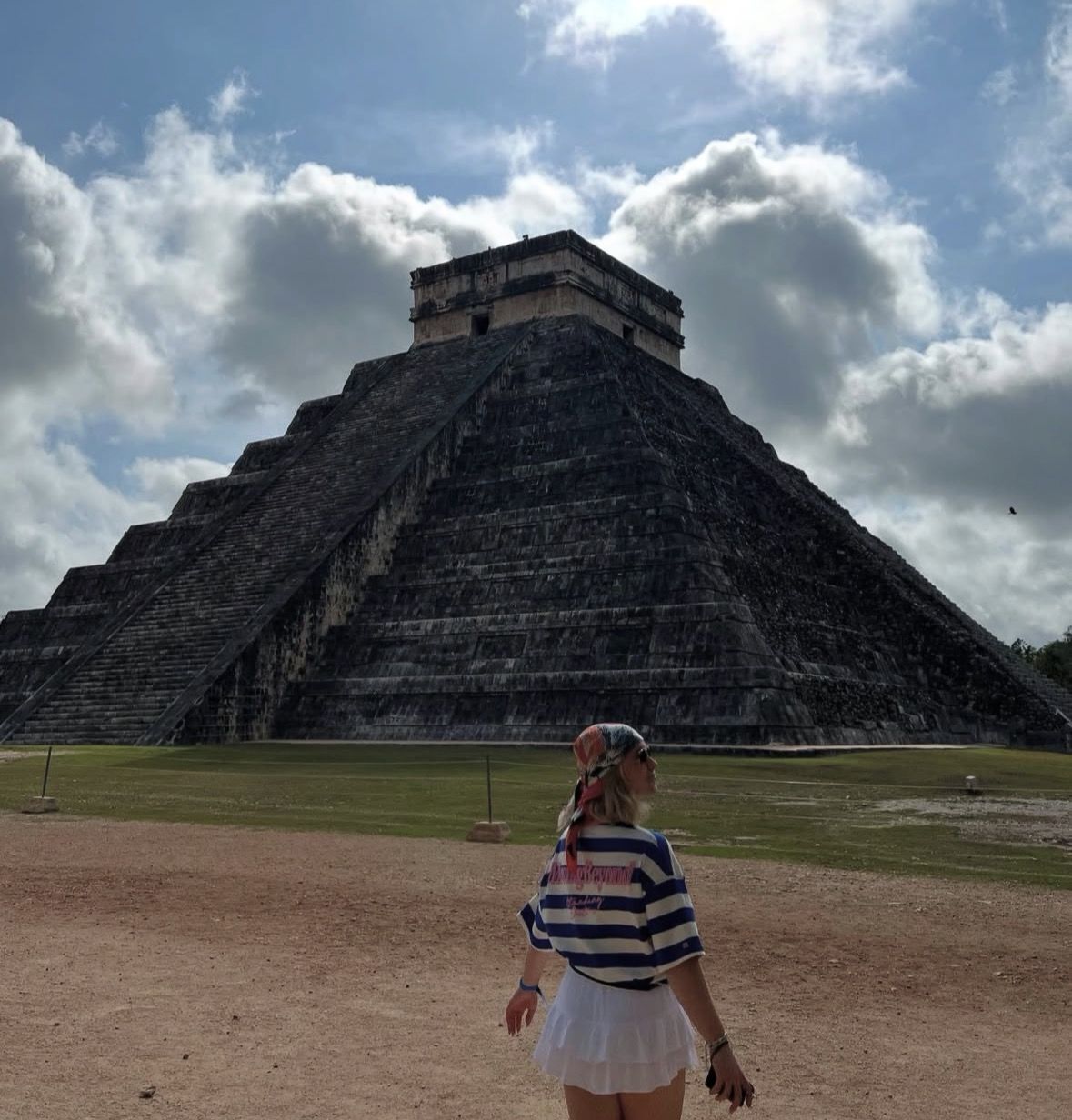
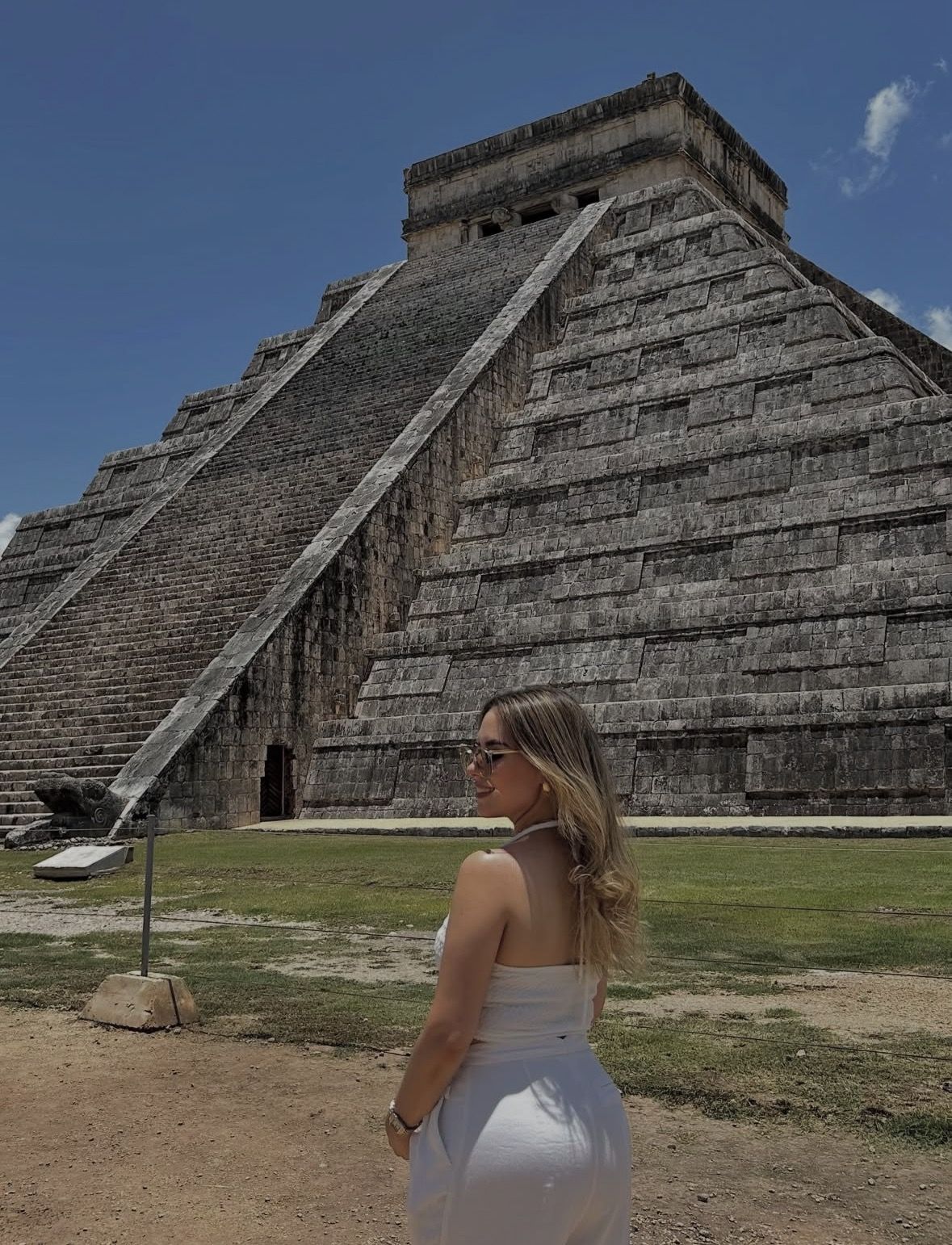
The iconic El Castillo — formally known as the Temple of Kukulcan — is the undisputed centerpiece of Chichen Itza and one of the most precisely engineered structures in the ancient world. Built during the height of the city's power between approximately 900 and 1200 CE, this 30-meter-tall stepped pyramid was designed as a massive astronomical calendar. Each of its four stairways contains 91 steps; combined with the top platform, the total reaches exactly 365 — matching the solar year. Every spring and autumn equinox, sunlight creates a serpent shadow that slithers down the northern balustrade, a phenomenon that draws tens of thousands of spectators annually.
No feature of Chichen Itza reveals the city's spiritual intensity more vividly than its sacred cenote, the Cenote Sagrado, a natural sinkhole roughly 60 meters in diameter plunging 27 meters to the water's surface below. Dedicated to Chaac, the Maya rain deity, this cenote served as the city's primary sacrificial site for centuries. Dredging operations conducted between 1904 and 1910 by American consul Edward Herbert Thompson recovered gold discs, jade ornaments, rubber figurines, copper bells, incense, and human skeletal remains — offerings cast into the waters to appease the gods and ensure rainfall for agriculture. Isotopic analysis of bones found victims came from as far as Central America.
The Great Ball Court of Chichen Itza is the largest Mesoamerican ball court ever found, stretching 168 meters long and 70 meters wide — larger than a modern American football field. Teams of players used their hips, elbows, and knees to drive a heavy solid rubber ball through stone rings mounted 8 meters high on the court walls. The acoustics are so extraordinary that a whisper at one end is clearly audible 150 meters away. Carved stone panels along the walls depict decapitation scenes, suggesting the game carried profound ritual stakes. Whether it was the winner or the loser who was sacrificed remains a subject of scholarly debate to this day.
Chichen Itza was never entirely abandoned by local Maya communities, who continued to regard it as a sacred landscape long after its political collapse around 1200 CE. However, the site's formal rediscovery by the wider world began in the early 19th century when explorer John Lloyd Stephens and artist Frederick Catherwood visited in 1841 and published their landmark work, Incidents of Travel in Yucatan. Their vivid descriptions and meticulous illustrations electrified Western audiences, sparking decades of archaeological curiosity and setting the stage for systematic excavation. Stephens famously attempted to purchase Chichen Itza for $20,000 USD — a transaction ultimately blocked by a title dispute.
The Carnegie Institution of Washington launched the most comprehensive early scientific excavation of Chichen Itza between 1924 and 1940, partnering with Mexico's national government in a collaboration that produced groundbreaking research and the restoration of major monuments including El Castillo and the Temple of Warriors. These efforts also sparked controversy, as thousands of artifacts were removed to American institutions — a source of ongoing diplomatic tension. Mexico reasserted full sovereignty over the site progressively through the 20th century, and today all excavated objects must remain under the custodianship of Mexico's Instituto Nacional de Antropología e Historia (INAH).
The global profile of Chichen Itza reached new heights in 1988 when UNESCO inscribed it as a World Heritage Site, recognizing its outstanding universal value as a testament to Maya civilization. The ultimate accolade came on July 7, 2007, when over 100 million votes cast through a worldwide internet poll declared Chichen Itza one of the New Seven Wonders of the World — placing it alongside the Colosseum, the Great Wall of China, and Machu Picchu. This designation accelerated international tourism dramatically, cementing the site's status as Mexico's most recognizable archaeological landmark and a cornerstone of Yucatán's booming travel economy.
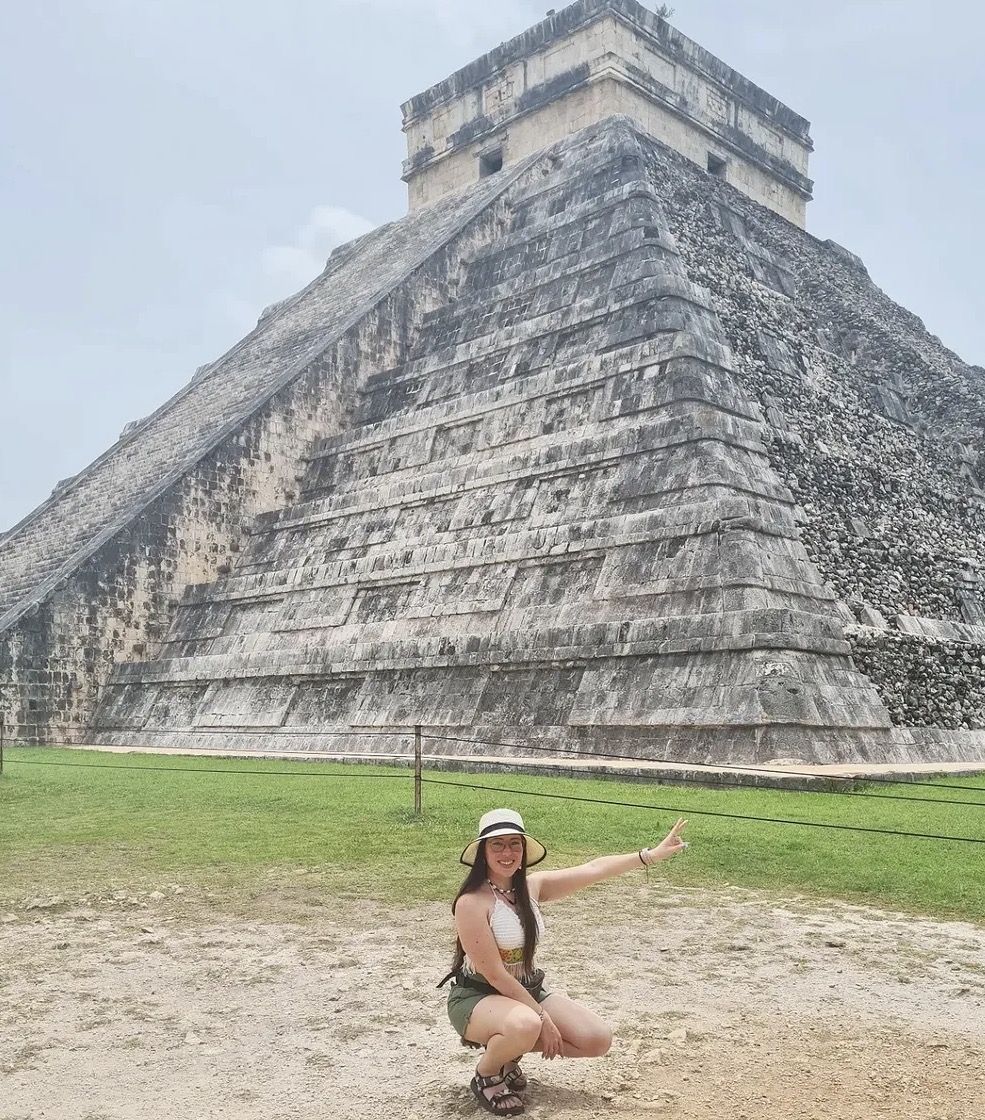
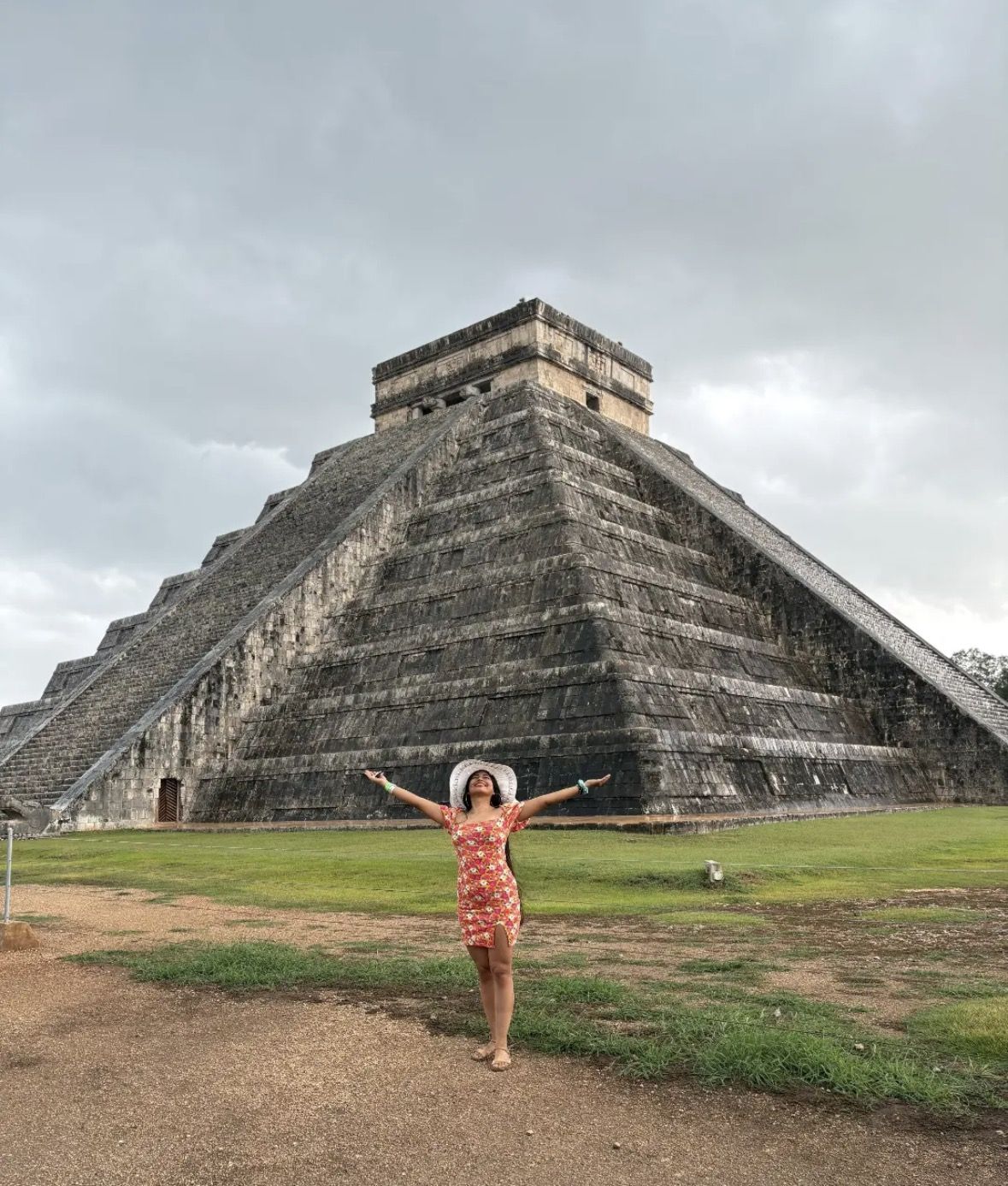
Today, Chichen Itza spans a protected archaeological zone of approximately 6.5 square kilometers within the state of Yucatán, administered by INAH alongside the government of Yucatán. Visitors can explore dozens of structures beyond El Castillo, including the Temple of the Warriors with its legendary Chac Mool sculpture, the cylindrical El Caracol observatory used to track Venus, and the elaborately carved Platform of Skulls known as the Tzompantli. Since 2006, climbing El Castillo has been prohibited to protect its structural integrity, but the experience of walking its grand plaza and hearing the famous 'chirped echo' — which mimics the call of the quetzal bird — remains profoundly moving.
Whether you stand on the plaza at dawn before the crowds arrive, witness the equinox serpent phenomenon in March or September, or explore the surrounding jungle trails that lead to lesser-known structures still being excavated, Chichen Itza rewards every type of traveler with layers of wonder impossible to exhaust in a single visit. The nearby colonial city of Valladolid, the turquoise cenotes of Ik Kil, and the flamingo lagoons of the coast make the region a complete adventure. Centuries of history, astronomical genius, and raw spiritual power are waiting for you — all that remains is booking your journey to one of humanity's greatest achievements.
Ready to Experience It Yourself?
Guided tours of Chichen Itza from Cancún, Playa del Carmen, and Mérida offer expert-led insights that transform a sightseeing trip into a genuine historical journey. Compare hand-picked tours from trusted operators, find the best departure times to beat the crowds, and secure your spot at one of the world's most extraordinary destinations. Your adventure through 1,400 years of Maya history is just one click away.
Book Your Tour Now